


Looking For Caregiver Emotional Support? Here Are 5 Things You Should Know
- donnaschiehsl
- Apr 25
- 4 min read

It happens quietly.
One day you are the daughter. The son. The one who calls to check in.
Then, the shift occurs.
It’s wrapped in busy calendars. It’s hidden in the extra grocery bags. It’s tucked into the pill organizers.
Suddenly, you aren't just visiting. You are managing. You are caregiving.
And it is heavy.
We feel the weight in our shoulders. We feel the exhaustion in our prayers.
At the Aging Parent Support Society, we know this path. We walk it with you.
Because we understand that you aren't a medical facility. You are a family. And usually, it’s just you.
No home health team. No shifts of nurses. Just a heart that wants to do right by Mom or Dad.
If you are looking for emotional support, there are a few things we need to talk about. Things that will help you breathe again.

1. Self-Care Is Stewardship, Not Selfishness
We often feel guilty.
If we take an hour for ourselves, we feel like we are failing them. We think we have to be "on" 24/7.
But let’s look at this differently.
Our bodies are a gift. Our minds are tools for service.
If the tool is broken, it cannot serve.
In our faith, we know that even Jesus withdrew to quiet places. He rested. He prayed.
He didn't do it because He was "done." He did it so He could continue.
Think of yourself as a steward of your own energy. If you burn out, who is left to care for them?
It’s about being woven into a sustainable life. Not just being a martyr to the cause.
Practical tip:
Start with ten minutes.
Sit on the porch.
Drink your tea while it’s still hot.
Don't look at your phone.
Just be.
2. Isolation Is a Quiet Thief
Caregiving happens behind closed doors.
We stay home because it’s easier. We stop calling friends because we don't want to complain. We feel like no one understands.
But isolation steals our joy. It magnifies our fears.
We need a "Circle."
At Aging Parent Support Society, we talk about The Shelf. It’s that place where we put our own lives. We set our dreams and our peace on a high shelf. Thinking we will get back to them "later."
But "later" is a long time.
We need people who can reach up and help us take those things down. We need a community that understands the specific struggle of memory issues.
You don't need a professional medical team to have support. You need a sister, a friend, or a discussion group.
People who will listen without judgment. People who will say, "I've been there too."
3. Your Emotions Are Valid (Even the Hard Ones)
Let’s be honest.
Sometimes we feel frustrated. Sometimes we feel angry. Sometimes we feel a deep, soul-aching grief for the person our parent used to be.
This is especially true when we deal with memory issues.
The person is there. But the connection is different.
It’s okay to cry about that. It’s okay to feel overwhelmed.
We often try to "shame" ourselves into being happy. "I should be grateful they are still here," we say.
Yes. But you can be grateful and exhausted at the same time.
Faith-centered support means bringing those messy emotions to God. He can handle your frustration. He sees the tears you shed over the laundry.
He honors the dignity of your struggle.

4. Memory Issues Require a New Language
When we aren't using home health care, the burden of communication falls entirely on us.
Memory issues change the rules of the house. Logic doesn't always work anymore.
We try to explain. We try to reason. We end up in an argument with someone who cannot help their confusion.
As an RN, I want to give you a gentle secret.
Stop trying to win the argument. Enter their world instead.
If they think it’s 1974, let it be 1974. If they are looking for a mother who passed away years ago, don't just state the cold hard facts. Say, "Tell me about her. She must have been a wonderful woman."
This is how we maintain their dignity. And our own peace.
We are moving from "going through the motions" to "meaningful connection."
It’s a different way of living. It’s a way of honoring them, even when it’s hard.
If you are seeing signs and you aren't sure what to do, check out our free guide on signs your parent needs help.
5. You Don't Have to Do This Alone
We think because we are doing this at home, we have to be the experts.
But we aren't born knowing how to be caregivers. We aren't born knowing how to navigate the aging process.
It’s okay to ask for a roadmap.
You might not need a nurse in the house every day. But you might need a one-on-one session to get your bearings.
Sometimes we just need someone to say: "You’re doing a good job." "Here is how you handle this specific problem." "Here is how you prevent burnout."
We offer pricing plans designed for the family caregiver. Because we believe every child of an aging parent deserves support.
You aren't just a "provider." You are a daughter. You are a son.
We want to help you stay in that role.
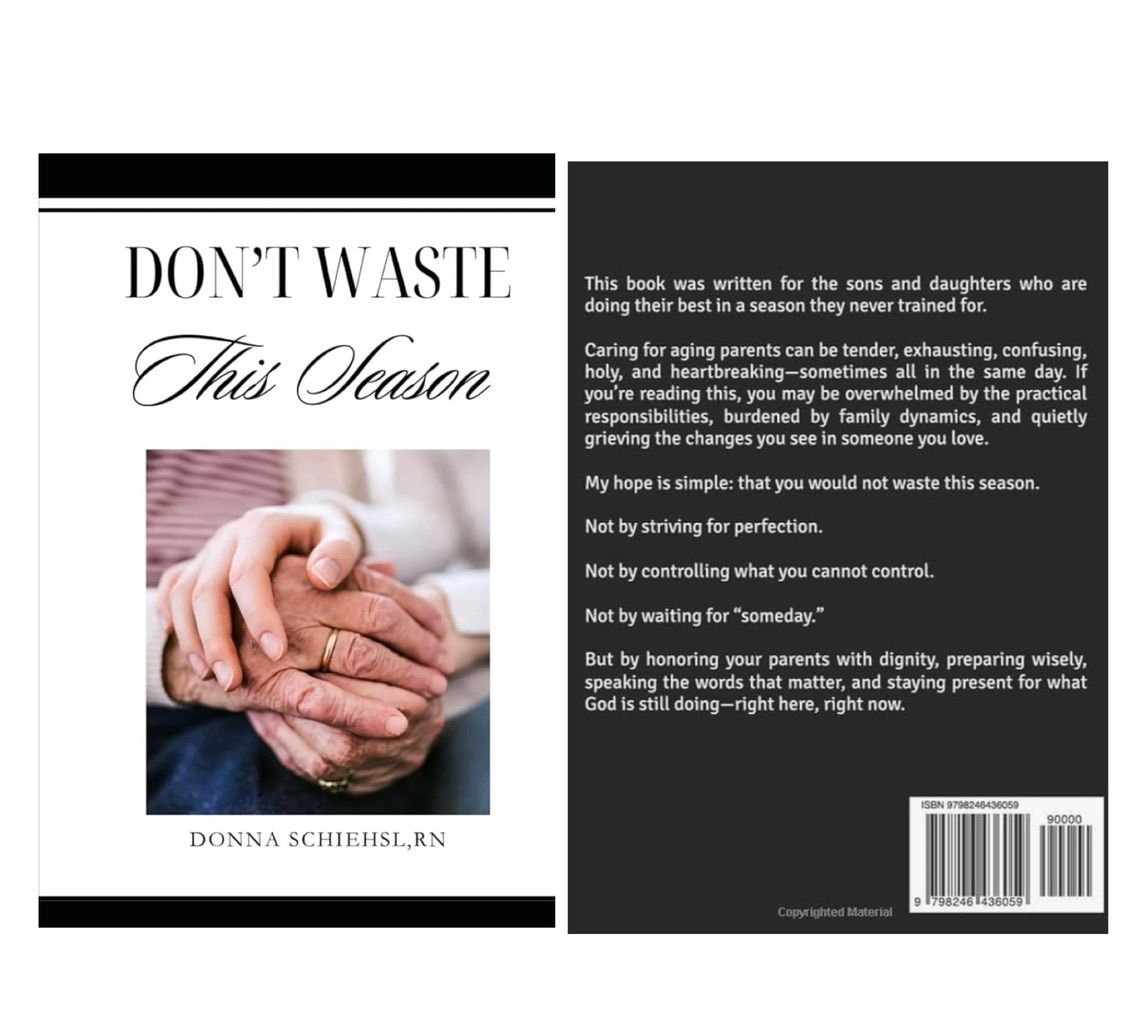
Presence Over Perfection
We worry about doing everything right.
The right diet. The right medications. The right activities.
But what our parents need most, and what we need most, is presence.
A peaceful heart is a better gift than a perfectly clean house. A gentle word is more medicine than a thousand supplements.
Life transitions happen quietly. They are wrapped in the ordinary.
But the ordinary is where the sacred lives.
In the middle of the mess. In the middle of the memory issues. In the middle of the long nights.
God is there. And we are here too.
Take a breath. You are doing better than you think.
If you’re feeling the weight today, please reach out. We’d love to walk beside you.
Remember, this season is temporary. But the love you are showing? That is eternal.
Keep going, friend. One gentle step at a time.

Comments